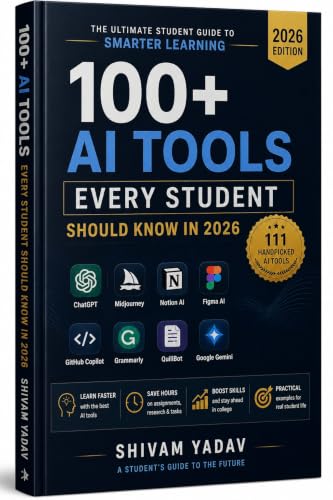

Choosing an AI tool or a new product can take more time than expected. Options often look similar at first, while pricing, performance, and practical limitations are less obvious. A thoughtful review helps readers understand what an item actually offers and whether it fits their needs. The most useful evaluations focus on evidence and everyday experience rather than promotional claims.
Start with the Intended Use
Before comparing features, clarify the problem the product is meant to solve. An AI writing assistant, for example, may be designed for brainstorming, editing, or producing structured drafts. Those are different tasks, so a tool that performs well in one area may be less effective in another. The same principle applies to physical products: consider who will use them, how often, and in what setting.
Clear expectations make comparisons fairer. Test tools with realistic tasks, and assess products under conditions similar to normal use. Note any setup requirements, learning curve, compatibility limits, or ongoing costs that could affect the experience.
Look Beyond the Feature List
Specifications can provide a useful starting point, but they do not tell the whole story. For AI services, examine the quality and consistency of results, ease of correcting errors, privacy information, and whether outputs need substantial human review. Avoid treating confident-sounding responses as automatically accurate.
For other products, consider durability, comfort, reliability, maintenance, and the quality of customer support. Independent testing and feedback from a range of users can reveal patterns, though individual experiences may vary. Separate verifiable facts from personal impressions so readers can judge each point clearly.
Make the Review Useful
A balanced review explains both strengths and drawbacks. Describe the features that matter most, identify who is likely to benefit, and mention who may want to consider an alternative. Include the relevant price or subscription structure, but assess value in relation to what the product delivers—not simply its lowest advertised cost.
Finally, keep conclusions proportionate to the evidence. A product may be a strong fit for a particular task without being the best choice for everyone. Clear criteria, practical examples, and honest limitations help readers make informed decisions about AI tools and other products.