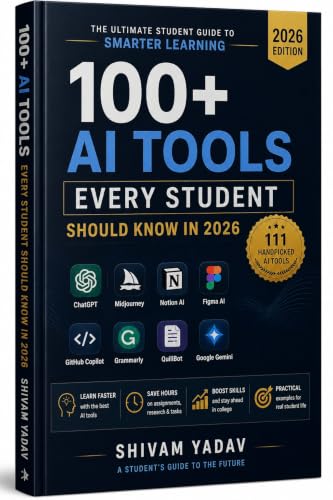

Look Beyond the First Impression
New AI tools and consumer products often promise to save time, simplify work, or improve everyday life. A useful review looks past polished claims to examine what a product actually does. Start by identifying its intended audience and main purpose. An AI writing assistant, for example, should be judged differently from an image generator or a task-management app. The same principle applies to physical products: assess them against the needs they are designed to meet.
Clear expectations make comparisons more meaningful. Consider what problem you want to solve, which features matter most, and what limitations you can accept. This keeps a review focused on practical value rather than novelty alone.
Test Performance in Real Situations
Hands-on testing is essential. For AI products, try representative tasks and assess the quality, accuracy, and consistency of the results. Notice whether the tool follows instructions, handles revisions well, and explains uncertainty when appropriate. Also consider privacy practices, data controls, accessibility, and how easily the product fits into an existing routine.
For other products, use them under ordinary conditions and pay attention to materials, reliability, ease of use, and maintenance. A short trial may reveal a promising first impression, but repeated use can uncover issues that are not obvious at first. Whenever possible, compare similar products using the same criteria.
Weigh Value, Not Just Features
A long feature list does not automatically make a product worthwhile. Compare its benefits with its price, subscription requirements, learning curve, and any additional costs. Free plans may be useful for occasional tasks, while paid options may offer higher limits or specialized capabilities. Check whether those extras matter for your needs before committing.
Reviews are most helpful when they distinguish observed results from personal preference. Explain what was tested, note important drawbacks, and avoid broad claims based on limited experience. A balanced assessment helps readers decide whether a tool or product suits their own circumstances.
Make a Practical Choice
The best option is not necessarily the newest or most popular. It is the one that performs reliably, fits your budget, and addresses a genuine need. Careful testing and transparent comparisons can turn an overwhelming range of choices into a confident, informed decision.